Service


REGISTER here for
news and updates!

Email Address:

46-48 Pollen Street, Grey Lynn, Auckland
T: (09) 360 0961
F: (09) 360 0938
Send an email


Ponsonby Tails - January 2004

In this issue:

  • Thank's for a Great Year
  • Kennels and Catteries 
  • Dentistry - FORL
  • Nurses Corner - Orphan Puppy and Kitten Care

Thanks for a Great Year!
As 2003 ends, all of us at PVC thank you for your continued confidence and belief in our clinic. Our goal has always been to provide the best care for our patients and clients, with the development of our new premises we will have the facilities to continue to provide the highest levels of care in veterinary medicine.

At this time, we'd like to take special note of our wonderful veterinary nurses who form the core of the PVC team. If the veterinarian's are our brain, the nurse's are PVC's heart. Without their dedication, care and patience we would not be able to provide the service that we are so proud of.

2004 is shaping up to be a very exciting year for us. The builders have now started on the new premises, signage has started going up and we are hopeful to move over at the end of January, although this may not be possible.

The plans for the new surgery/hospital/cattery etc look amazing and leaving us itching to move as soon as possible. We are looking forward to organising tours of our new facilities as soon as we have settled in. These will give you a chance to see for yourself why we are so excited. 

From all of us at PVC, we hope you had a lovely break over Christmas and recharged your batteries. Here's to a wonderful 2004!

Kennels and catteries

Every year we have the same mad rush and panic about vaccinations and booking pets into a boarding establishment. Whilst it's fresh in my mind I thought I would highlight a few things which may help reduce the problem next year.Cattery

  • Make sure you keep your pet's vaccination records in a safe (and memorable) place. This is particularly true when you move house. These records will allow you to book your pet into a boarding kennels/cattery, without them you are likely to be refused admission. (If you loose them a new copy costs $7.50).
  • Remember to bring your vaccination records with you at your pet's annual health check so that they can be kept up to date as well as your pet's immunity.
  • If you are going away at Christmas or Easter (or for that matter any public holiday) book well in advance to get into one you like. This year we had to turn so many people down, and we are very sorry if you were one of them. We hated turning people down but we also know that if we take on too many cats they will all be more stressed and that would not be fair on them. Our new cattery is going to be bigger and even better but it will still only house around 35 cats, so if you are organised enough to know what you are doing well in advance, I would recommend you book as soon as possible to avoid disappointment. Our cattery is already filling up quickly for Easter and Christmas 2004.
  • When you book a cattery or kennels make sure you ask what their vaccination protocol is, and then check your record book to ensure your pet has received all the vaccinations within the required time. Boarding establishments do vary a lot with their requirements so don't assume that because it was fine at one kennels it will be fine with another.
  • If you would like to know more about vaccinations (dog or cat) or our cattery requirements please visit http://www.petvet.co.nz/ or click on the appropriate link.

Dentistry - FORL

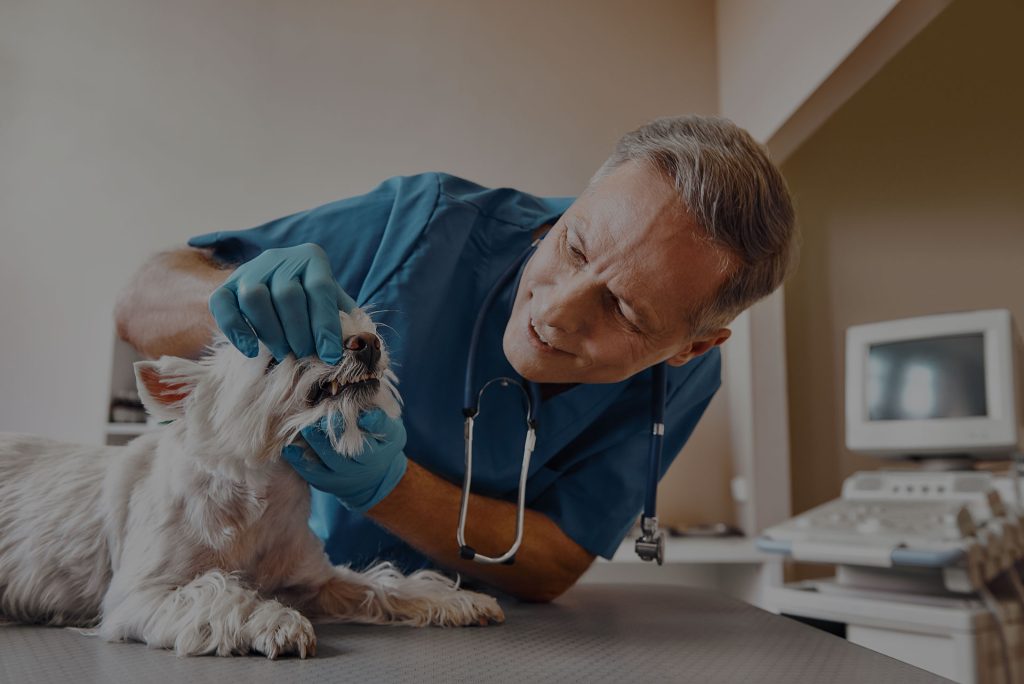
FORL is the abbreviation for Feline Odontoclastic Resorptive Lesions, which are very painful erosions in the roots/crowns of cat teeth. This condition was almost unheard of before 1960. Since their occurrence was noted numerous hypothesis as to the cause have been made, but none of these have proved to be correct.Tooth

In November the American Veterinary Dental Society hosted their annual dental forum at which a paper was presented which identified a cause - cat's that develop this condition have marked elevations in Vitamin D levels in their blood. So why is this occurring?  

Unlike humans and herbivores, dogs and cats are not able to synthesize vit D3 and depend on dietary intake. When vit D3 contents of commercial cat foods were evaluated, 20 of 49 canned cat foods had excess of 30 times the vit D3 requirement and 15 were in excess of a maximal level of 10,000 IU/kg diet dry matter (recommended is 500 IU/Kg). It has also been found that administration of excess vit D resulted in dental and periodontal conditions that resembled radiographic and histopath FORL lesions. So it appears that finally there may be a break through in the cause of FORLs. Lets hope the pet food companies take this information seriously and act to remedy those products with too high a level.

Another item from this conference is that the use of Fosamax (a drug used for treating osteoporosis in people during menopause) has been shown to reduce the progression of this disease if caught early enough and in addition prevents further lesions developing. We are currently looking into the use of this drug in more detail, if it lives up to early expectations we will start prescribing it for appropriate cases.

At the moment this knowledge is very new and there is only one study, as with all scientific information this does not make it a wonder drug yet and further studies are required before we will be sure that it works and does not cause any side effects.

Nurse's Corner - Orphan Puppy and Kitten Care

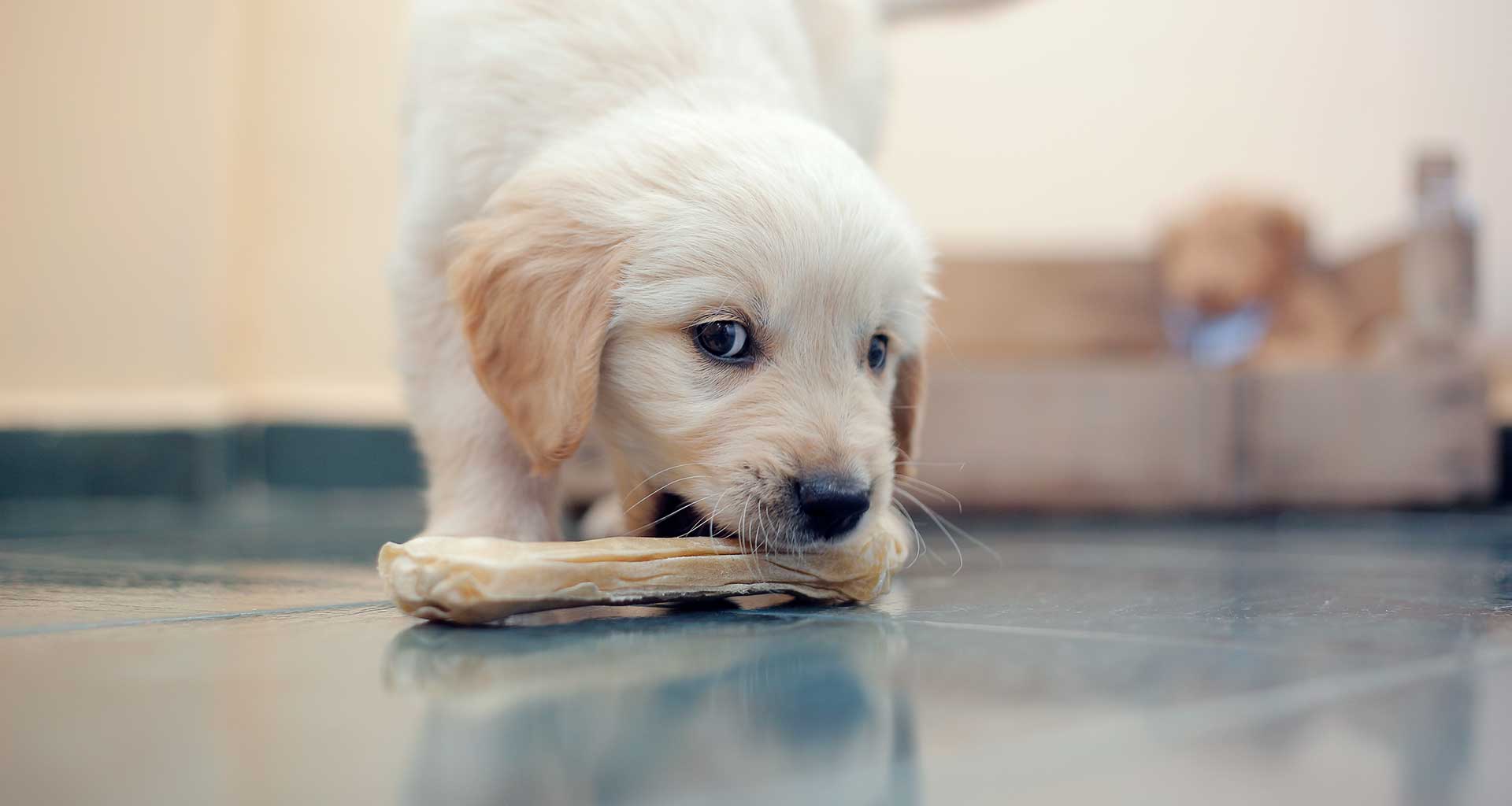
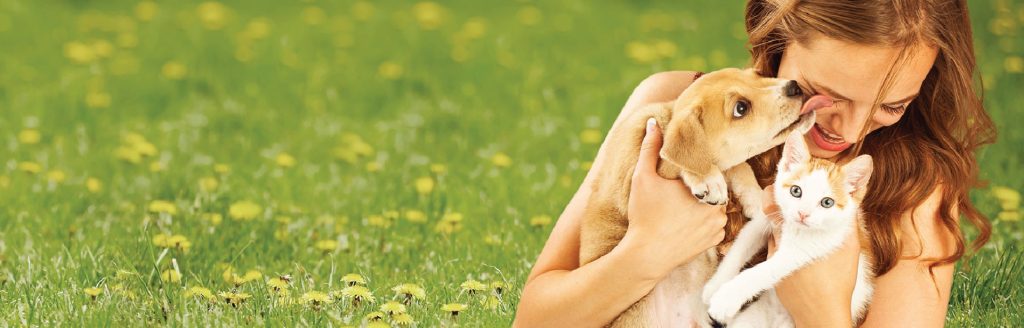
At this time of year many animals are giving birth and so it seemed suitable to write about the hand rearing of orphans. Hopefully, you will not need to do this but if you do we hope this will be useful.

You do need a few things to get started:

  • A cardboard pet carrier makes an excellent nest box - portable, tall sided, can be made dark and are cheap.
  • In order to keep the babies dry and clean place a towel on the bottom of the box and place a disposable nappy on top. You will need to trim the elastic to allow the nappy to lie flat.
  • You need to provide some warmth, this is easiest achieved by a heat pad under the box, but you can use hot water bottles although these will need to be refilled frequently. The heat source should only warm-up half the box so that the babies can crawl to the other side if they are too hot.
  • Powdered milk for hand raising kittens or puppies is available from vet and pet shops - it is important to use this rather than other forms of milk, as these are more likely to cause diarrhoea. In some countries different milk formulas are available for dogs and cat's (and in Australia a variety are available for marsupials) but I am afraid this is not the case at the moment in New Zealand.
  • If diarrhoea (loose faeces are normal but watery are not) occurs then you should dilute the milk powder further to prevent dehydration.
  • If you are unable to get to a vet or pet shop a temporary solution is as follows:

Puppies:
1 cup whole milk
1 tsp salad oil
1 drop multi-vitamins
2 egg yolks

Kittens:
1/2 cup whole milk
1 egg yolk
1 drop multi-vitamins
3 Tums (antacid tablets) crushed

Mix in a blender whichever formula you are using.

  • Pet nursing bottles and teats are available at most vets and pet shops. The teats may need to be pierced using fine scissors or a hot needle. The hole is the correct size if when the bottle is squeezed milk drips out slowly.
  • The bottle of milk should be warmed in a cup of hot water. Make sure you test the temperature of the milk; the inside of your wrist is a good place. Do not use a microwave to heat the milk.
  • Expect to feed them every 2-3 hours through the day, but do not wake them to give them a feed. They may sleep through the night, but if they wake up hungry they will let you know! 
  • Ensure when feeding that they cannot gulp air from the bottle by tipping it sufficiently. After feeding play with them to "burp" them. Small amounts of milk may come from the nose if they are drinking too fast, although if this seems excessive you should have your veterinarian check them out.
  • Infant puppies and kittens are unable to defecate or urinate on their own. Normally the mother performs this by licking their genitals. Without mum's presence you need to do this. You can use a cotton bud or piece of tissue and gently rub the genital area. Have a tissue handy to collect the urine/faeces.
  • The kitten should be bathed a couple of times a day with warm water and baby shampoo. Pay particular attention to around the genitals as urine can scold the skin. A flannel works well. If using a larger amount of water make sure that the baby doesn't get submerged. Towel drying followed by using a hairdryer will ensure that the baby doesn't get cold. When using a hair dryer make sure you do not keep it still or concentrate on one area for any length of time as it can cause burns or overheating.
  • Solid foods can be introduced once they start chewing at the teat instead of sucking. This usually occurs at 3-4 weeks of age. A tinned puppy or kitten food should be used to start with.
  • From 4 to 6 weeks they should be eating readily. If you are re-homing this can be done from 6 weeks of age.
  • If you are giving an orphaned kitten or puppy a chance it is a very rewarding (although time consuming) experience. If you need any help give our nurses a ring and they will be happy to help you in any way they can. (Please note if your kitten or puppy has been orphaned at less than 2 days of age you should phone us to discuss how to boost their immunity - which will be very weak or non-existent.)